Call 01483 459 659 or email uk.enquiries@enovis.com for assistance.
Alternatively, complete the form below and our team will be in touch.
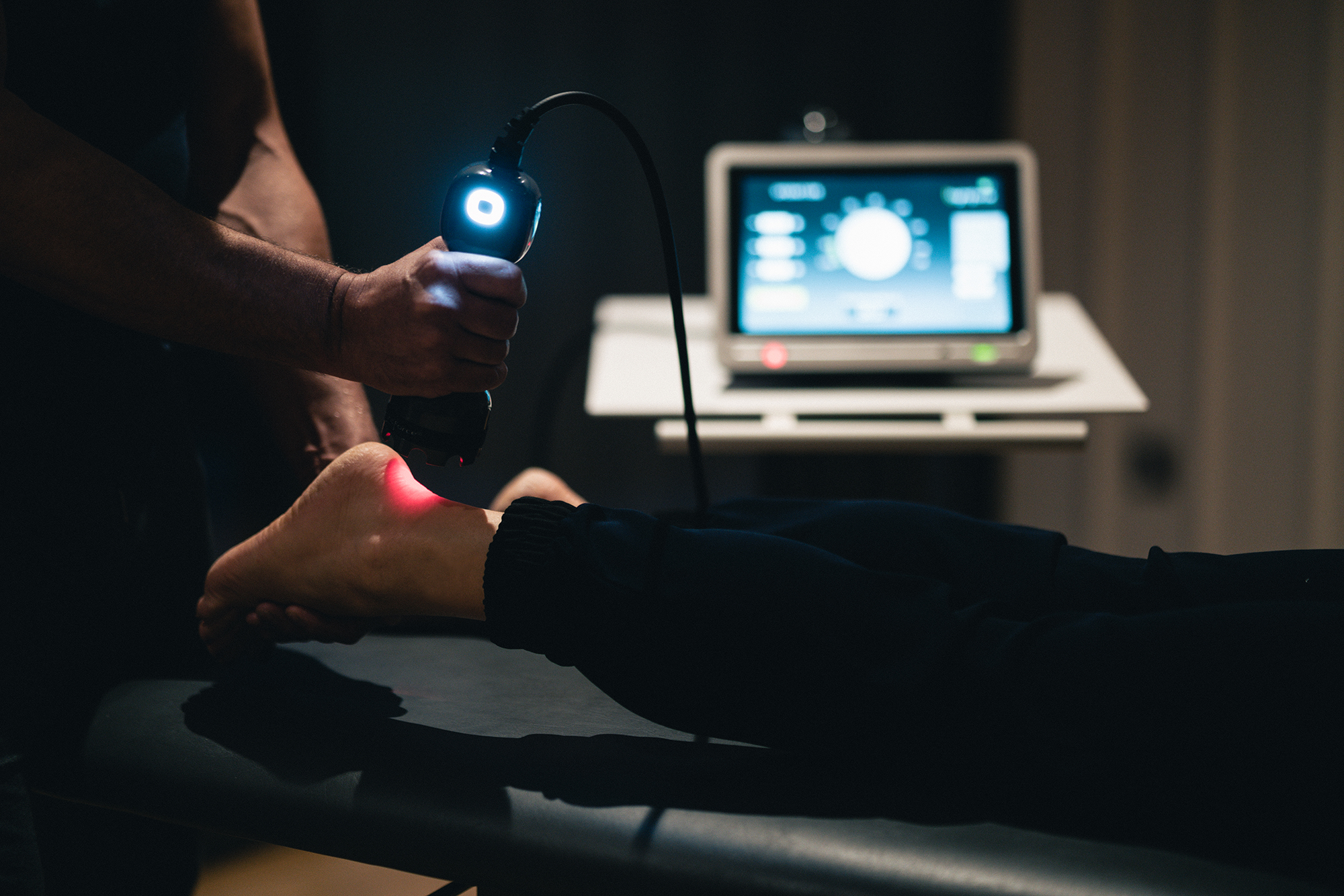
Laser therapy, also known as photobiomodulation (PBMT), is a non-invasive treatment that uses specific wavelengths of light to stimulate the body’s natural healing processes. Beyond simply relieving pain, laser therapy produces a range of biological effects that promote tissue repair, reduce inflammation, and enhance overall function.
In this article, we explore the key biological mechanisms of laser therapy and how these effects can benefit patients in musculoskeletal and sports medicine settings.
Laser therapy helps reduce pain by acting directly on damaged tissue
Combined with its anti-inflammatory effects, this leads to a measurable reduction in patient perception of pain, making PBMT an effective tool for both acute injuries and chronic conditions.
Inflammation is a natural response to injury, but excessive inflammation can delay healing and increase discomfort. Laser therapy reduces inflammation by:
The result is a decrease in erythema, bruising, oedema, and overall tissue inflammation, supporting faster recovery.
Laser light stimulates the formation of new capillaries in damaged tissue. This enhances blood flow to areas with poor circulation, improving oxygen and nutrient delivery, which is essential for tissue repair and regeneration.
Photons from laser light penetrate deeply into tissues, boosting cellular energy (ATP) and accelerating cell growth and reproduction. This allows cells to absorb nutrients more efficiently and remove waste products faster, speeding up overall tissue repair.
Damaged nerves can result in numbness, tingling, or impaired limb function. Laser therapy has been shown to accelerate nerve regeneration, supporting the recovery of sensory and motor function in affected areas.
Laser therapy can treat muscle trigger points and acupuncture points without mechanical invasion. This provides targeted musculoskeletal pain relief, making it a valuable addition to physiotherapy, chiropractic, and sports medicine treatment plans.
Laser therapy also influences the immune system by modulating immune responses. This effect helps maintain a balanced immune environment, supporting healing and recovery while reducing the risk of prolonged inflammation.
If you want to offer your patients faster recovery, reduced pain, and improved function, photobiomodulation therapy is a modern, clinically proven solution.
👉 Schedule a demonstration today to see how LightForce® can enhance your practice: Book by clicking HERE
🔗 Download our Laser Therapy E-Book for a deep-dive into the science: Download HERE
References:
Alternatively, complete the form below and our team will be in touch.