Call 01483 459 659 or email uk.enquiries@enovis.com for assistance.
Alternatively, complete the form below and our team will be in touch.
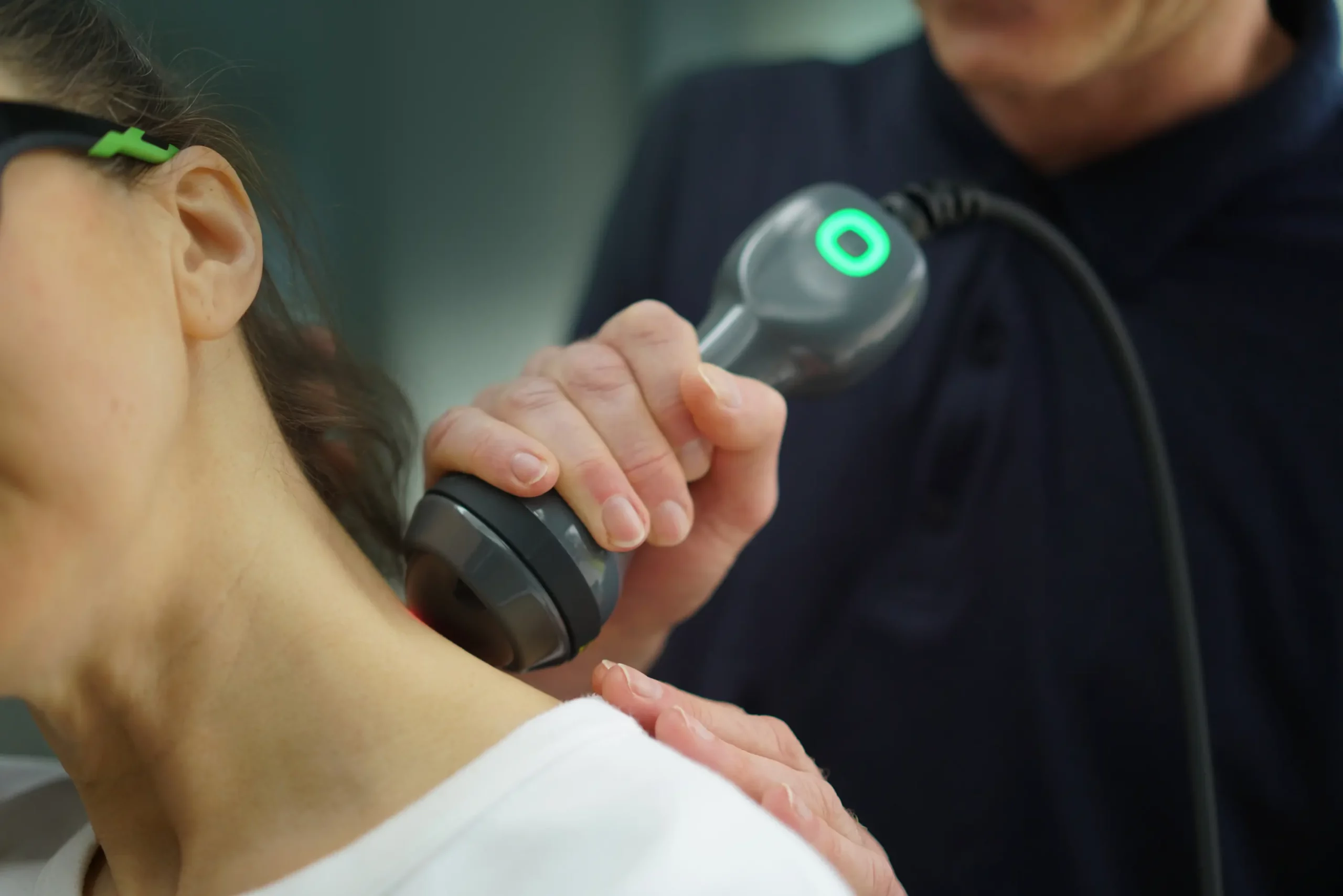
Photobiomodulation therapy (PBMT), also known as laser therapy, is a non-invasive, drug-free treatment that uses red and near-infrared light to promote healing, reduce pain, and accelerate recovery. Increasingly used by physiotherapists, chiropractors, osteopaths, and podiatrists, PBMT is a clinically proven solution for musculoskeletal (MSK) injuries and chronic pain management.
In this beginner’s guide, we explain how laser therapy works, its benefits for patients, and what a typical treatment session involves.
Laser therapy works by delivering specific wavelengths of red or near-infrared light to tissues, which penetrate the skin and stimulate cellular repair and regeneration. The light is absorbed by mitochondria – the “powerhouse” of the cell, triggering:
These effects reduce inflammation, promote tissue repair, and relieve pain – making PBMT ideal for musculoskeletal injuries, sports injuries, arthritis pain, and chronic joint conditions
Clinical evidence shows that PBMT provides significant benefits for patients with:
With over 700 randomised controlled trials supporting its safety and efficacy, laser therapy for physiotherapists and clinicians is a reliable addition to modern practice
PBMT is safe, painless, and easy to administer. During a typical session:
Because it is non-invasive and drug-free, PBMT can be integrated seamlessly into physiotherapy, chiropractic, or podiatry treatment plans.
PBMT is suitable for a wide range of patients:
Laser therapy is especially valuable for clinicians seeking evidence-based, non-invasive treatments for musculoskeletal conditions.
Enovis is a leading provider of therapeutic laser technology. Trusted by private practices, healthcare systems, and sports teams, our devices deliver precision dosing, custom treatment plans, and clinically supported results. By integrating LightForce® laser therapy into your practice, you can improve patient outcomes and satisfaction while differentiating your services.
Photobiomodulation therapy has been extensively researched and is recognised by:
With a robust evidence base, PBMT is a safe and effective treatment for musculoskeletal injuries, chronic pain, and sports rehabilitation
If you want to offer your patients faster recovery, reduced pain, and improved function, photobiomodulation therapy is a modern, clinically proven solution.
👉 Schedule a demonstration today to see how LightForce® can enhance your practice: Book by clicking HERE
🔗 Download our Laser Therapy E-Book for a deep-dive into the science: Download HERE
References:
Alternatively, complete the form below and our team will be in touch.